
Category: Uncategorized

  • ‘He lost his use of his arms and shoulders’

    ‘He lost his use of his arms and shoulders’


    A New Jersey family is raising awareness about the dangers of tick-borne illnesses, which are becoming more common as the climate in the Northeastern United States increasingly favors breeding and activity among the insects.

    What’s happening?

    A New Jersey man who contracted Lyme disease says he has been battling lingering neurological symptoms for years. In late January, Mike Gallagher’s community hosted a benefit concert to help fund his continued treatments, the Asbury Park Press reported.

    “It’s all in his head, neck, and shoulders,” Jen Gallagher, Mike’s wife, told the outlet. “He lost his use of his arms and shoulders, and the biggest love of his life was his guitar. He can’t even hold his guitar anymore.”

    This type of story is likely to become more common as the planet continues to heat. Ticks thrive in warm, humid environments, and rising temperatures as well as shifting weather patterns in the Northeastern U.S. have enabled their populations to grow in recent years, according to experts at Boston University.

    Reported cases of Lyme disease have increased accordingly, data from the Centers for Disease Control and Prevention has suggested. Ticks are also gradually expanding their range, leading to disease spread into locations previously undisturbed by the insects.

    Why is Lyme disease concerning?

    Lyme disease is a bacterial infection spread through bites from infected ticks. It can cause a characteristic “bullseye” rash along with symptoms including fever, headache, fatigue, and joint pain, according to the CDC.

    Sometimes, and for reasons that doctors don’t fully understand, Lyme symptoms can linger even after the infection has been treated with antibiotics, occasionally leading to a diagnosis of post-treatment Lyme disease syndrome, or PTLDS.

    Tick-borne illnesses as well as illnesses spread by other vectors — including mosquitoes, which can transmit malaria, dengue, West Nile virus, chikungunya, yellow fever, and Zika — are just a few of the many public health risks that humans are set to face as temperatures rise.

    Rising global temperatures can also exacerbate the threat of heat-related deaths and catastrophic weather events. They may even decrease the effectiveness of vaccines, which are among our most potent tools for fighting disease.

    What’s being done about Lyme disease?

    Scientists are working on a vaccine that could help address Lyme disease spread — providing, of course, that weather shifts don’t impact the vaccine’s effectiveness and that equitable access is achieved.

    In the meantime, prevention is going to be the best option for most.

    Apart from working to mitigate rising temperatures through meaningful transitions to clean energy systems, experts recommend wearing long sleeves and pants to cover any exposed skin when spending time in the woods or woody areas. They also recommend using safe repellents, regularly checking skin for ticks, and removing any visible ticks with tweezers.

    Get TCD’s free newsletters for easy tips to save more, waste less, and make smarter choices — and earn up to $5,000 toward clean upgrades in TCD’s exclusive Rewards Club.


    Source link

  • Study: More People Were Killed in First 16 Months of Gaza Genocide Than Reported

    Study: More People Were Killed in First 16 Months of Gaza Genocide Than Reported


    The Lancet found that there were 75,200 “violent deaths” in Gaza between October 7, 2023 and January 5, 2025.

    Support justice-driven, accurate and transparent news — make a quick donation to Truthout today! 

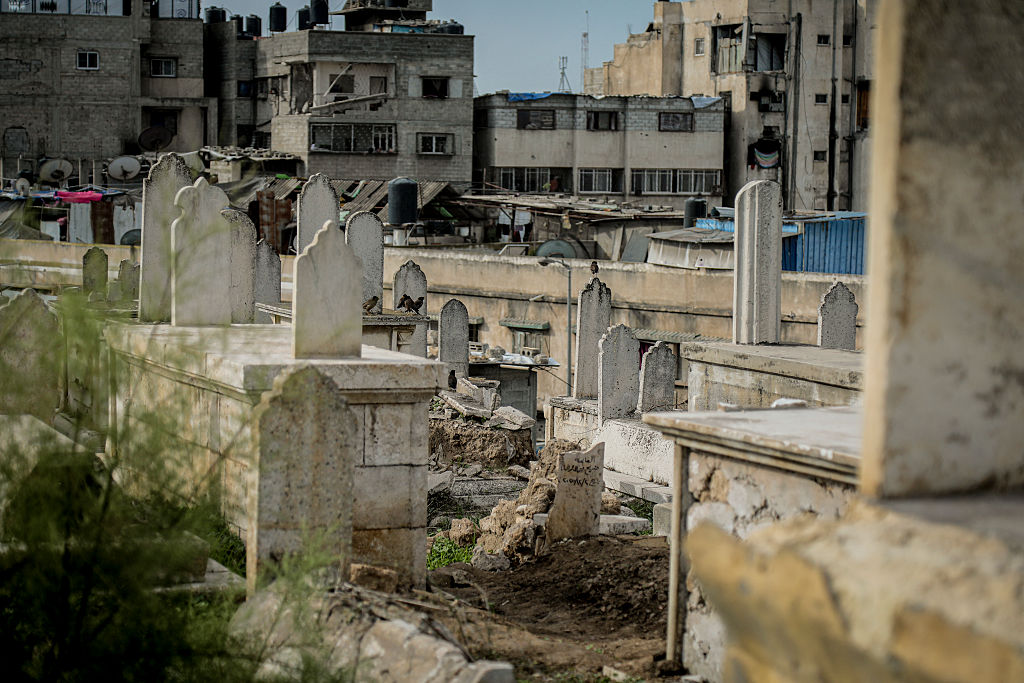
    A peer-reviewed study published Wednesday in The Lancet Global Health estimates that more than 75,000 people in Gaza were killed during the first 16 months of Israel’s genocidal assault — a figure that far exceeds the death toll reported at the time by the strip’s health authorities.

    The study’s authors found that there were 75,200 “violent deaths” in Gaza between October 7, 2023 and January 5, 2025, with women, children, and elderly Palestinians making up around 56% of the toll. The researchers estimated an additional 16,300 nonviolent deaths — from disease, accidents, or other causes not directly related to Israel’s military onslaught — during that period.

    The Lancet study’s estimated Gaza death toll through early January 2025 is at least 25,000 deaths higher than the figure reported at the time by Gaza’s Ministry of Health (MoH).

    Gaza health officials put the current death toll from Israel’s assault at more than 72,000 — a figure that Israeli authorities only recently acknowledged is accurate after more than two years of denial.

    “The combined evidence suggests that, as of January 5, 2025, 3-4% of the population of the Gaza Strip had been killed violently and there have been a substantial number of nonviolent deaths caused indirectly by the conflict,” the Lancet study states. “Our findings contradict claims that the MoH has inflated the death toll from the war in the Gaza Strip. Instead, the MoH appears to provide conservative, reliable figures while working under extraordinary constraints.”

    The study’s lead author is Michael Spagat, a professor of economics at Royal Holloway, University of London and a board member of Action on Armed Violence. The London-based watchdog organization noted in its coverage of the study that “Spagat is internationally recognized for his work on war mortality estimation, including studies of Kosovo, Iraq, and other conflict zones.”

    The new study, described as “the first independent population survey of mortality in the Gaza Strip,” is the latest peer-reviewed research showing that the officially reported death tolls from the Israeli military’s invasion and destruction of the territory are likely significant undercounts.

    A study published in The Lancet in January 2025 indicated that the death toll reported by Gaza health officials over roughly the first year and a half of Israel’s assault was likely a 41% undercount.

    “It will be a long time before we get to a full accounting of all the people killed in Gaza, if we ever get there,” Spagat told The Guardian on Thursday.

    A terrifying moment. We appeal for your support.

    In the last weeks, we have witnessed an authoritarian assault on communities in Minnesota and across the nation.

    The need for truthful, grassroots reporting is urgent at this cataclysmic historical moment. Yet, Trump-aligned billionaires and other allies have taken over many legacy media outlets — the culmination of a decades-long campaign to place control of the narrative into the hands of the political right.

    We refuse to let Trump’s blatant propaganda machine go unchecked. Untethered to corporate ownership or advertisers, Truthout remains fearless in our reporting and our determination to use journalism as a tool for justice.

    But we need your help just to fund our basic expenses. Over 80 percent of Truthout’s funding comes from small individual donations from our community of readers, and over a third of our total budget is supported by recurring monthly donors.

    Truthout has launched a fundraiser to add 432 new monthly donors in the next 7 days. Whether you can make a small monthly donation or a larger one-time gift, Truthout only works with your support.


    Source link

  • Mystery donor gives Japanese city $3.6m in gold bars to fix water system

    Mystery donor gives Japanese city $3.6m in gold bars to fix water system


    Osaka’s mayor says he is ‘lost for words’ and that he has ‘nothing but appreciation’ for the gesture.


    Source link